THE WINE ATLAS
The Wine Atlas serves as a reference for the study of wine’s regions, craft, and historical development
About the AtlasThis space is created for thoughtful learning and continued reference
Wine is the outcome of agricultural conditions, production practices, and cultural history. Understanding it requires attention to place, process, and context.
The Wine Atlas brings these elements together in one place. It is a structured resource for understanding wine through its regions, methods, and historical context - created for those who want to learn with clarity and depth.
HOW TO USE THE ATLASThe Atlas is organised by theme and region. Sections can be explored independently or read together to build a broader understanding.
Entries are designed as reference material - intended to support careful study and informed appreciation over time.
Why Wine Matters
Wine offers a clear way to understand how agriculture and culture intersect. Each bottle reflects a series of choices—made in the vineyard and the cellar—within the limits and possibilities of a specific place.
To study wine is to engage with:
geography and climate
agriculture and science
history and social practice
art, culture, and tradition
Together, these elements explain not just how wine is made, but why it differs from one place to another—and why it continues to matter.
Old World &
New World Wines
Old World Wines
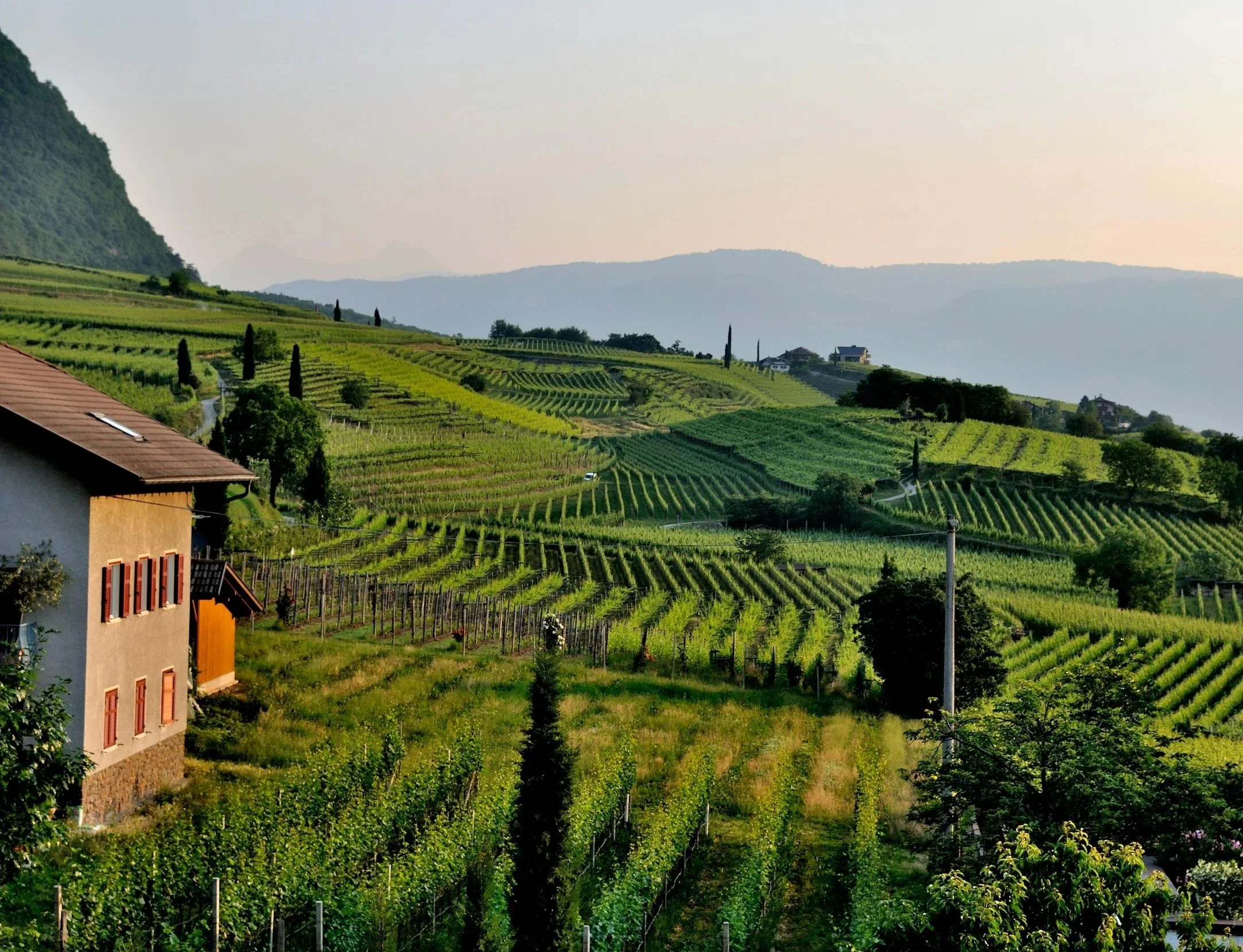
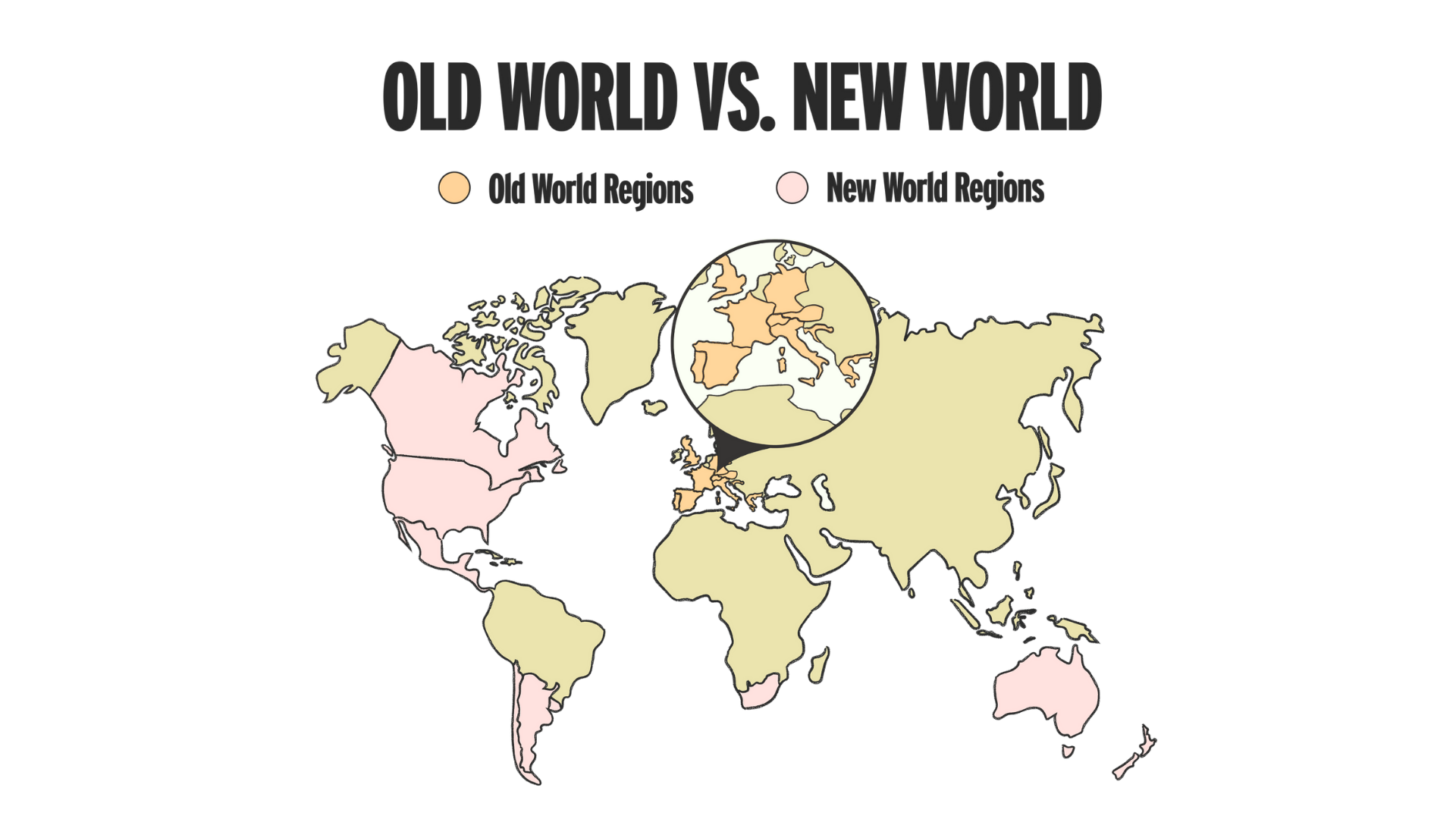
Old World wines originate from long-established European regions such as France, Italy, Spain, Portugal, and Germany.
Inherited practices, formal appellation systems, and a strong link between wine and place shape these regions. Styles often emphasise balance, restraint, and continuity.
New World Wines
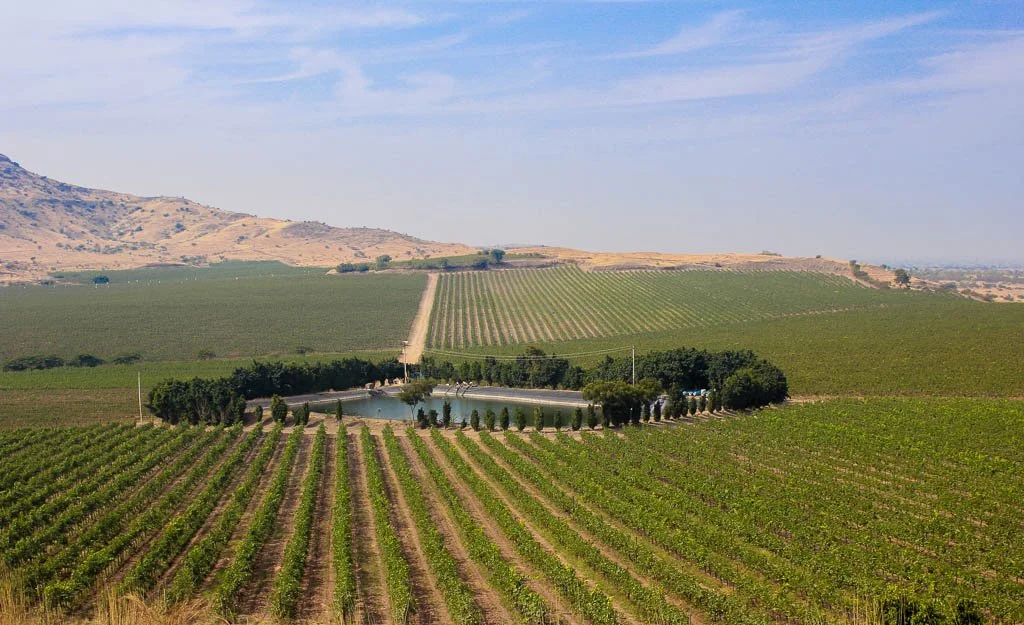
New World wines are produced in regions including the United States, Australia, New Zealand, South Africa, Chile, Argentina, India, and others.
Greater flexibility in grape selection and production methods enables a wide range of styles, often characterized by clear fruit expression and contemporary techniques.
Together, these traditions reflect both continuity and change in the global wine landscape.
The Indian Wine Landscape
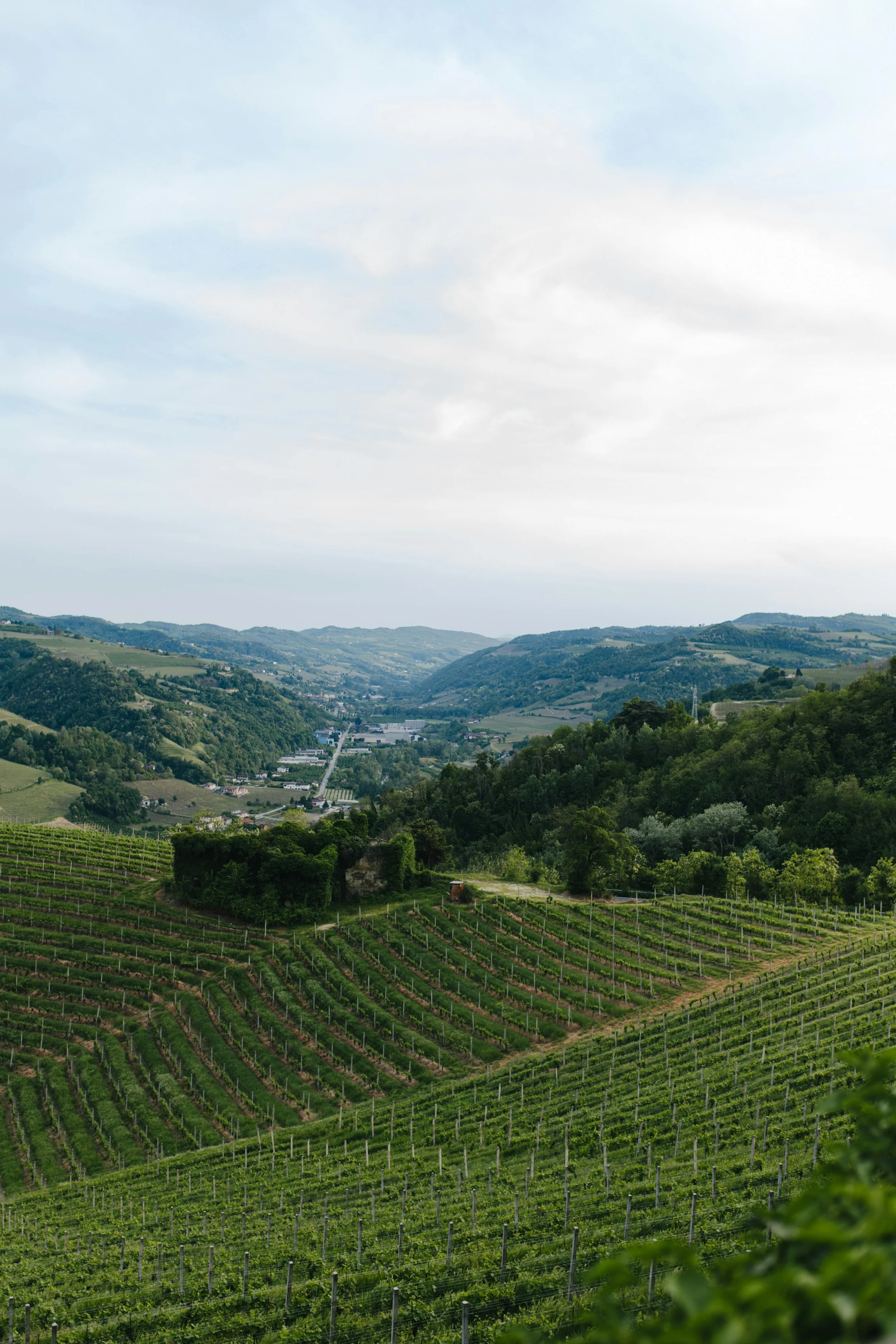
India’s wine culture is relatively young and continues to develop. With pioneering producers, growing consumer awareness, and an expanding hospitality sector, India represents an important emerging wine market.
Understanding wine in India requires attention to both global influences and local conditions.